

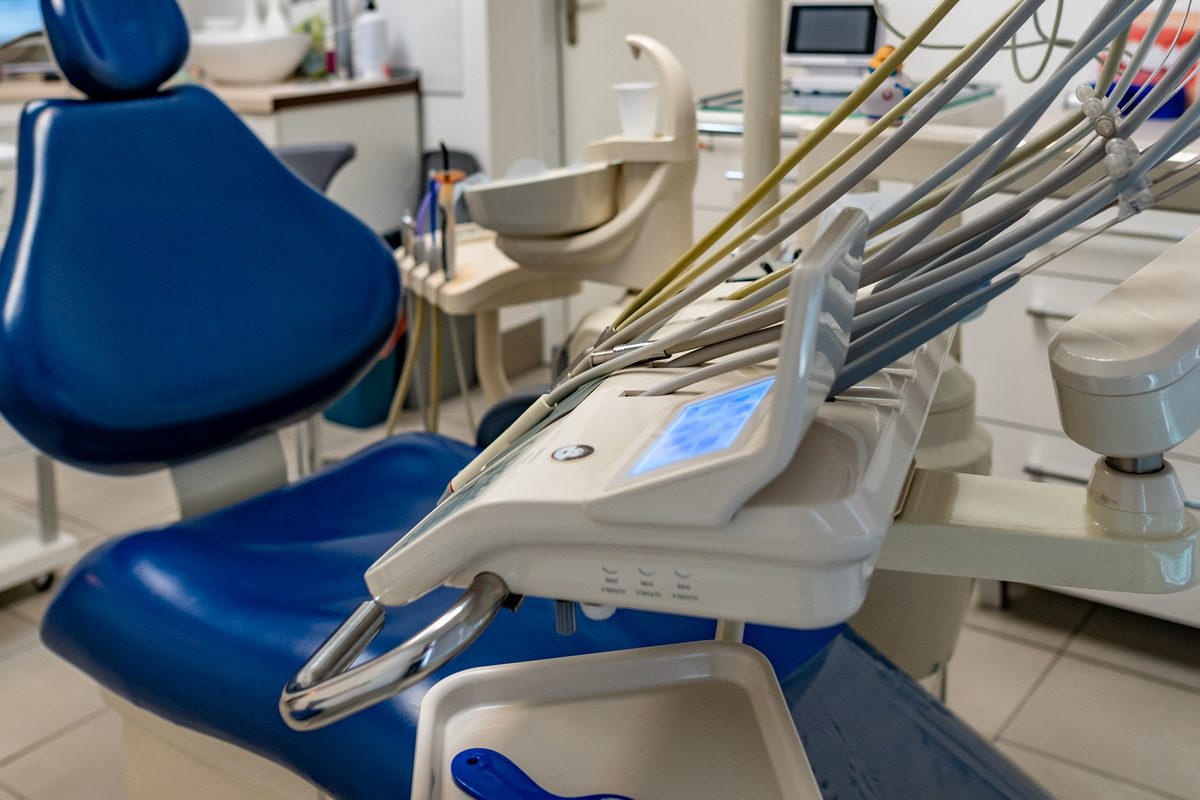
The STA (Single Tooth Anesthesia) system is a computer-controlled device that delivers the anaesthetic at a precisely controlled rate and pressure. The result: the injection is practically painless — no more of the stinging and pressure typical of a traditional syringe.
How is STA different from traditional anaesthesia?
The STA system differs from traditional anaesthesia in several ways. The key is the controlled delivery rate — injecting too quickly, as is typical with the traditional method, is the main cause of pain and stinging. The STA device has a pressure sensor that adjusts the flow to the resistance of the tissues, minimising discomfort.
Who is STA best for?
It is a good solution for people with dental anxiety and a strong fear of injections, and for patients with heart conditions, for whom a minimal dose of anaesthetic with epinephrine matters. STA also works well for procedures requiring precise anaesthesia of a single tooth, such as root canal treatment or extraction, and for patients who have had bad experiences with traditional injections.
What is an STA injection like?
Before the injection we apply a topical anaesthetic gel (benzocaine) to the gum at the injection site. The needle is thin (27G or 30G), and the slow, computer-controlled delivery means many patients say they felt nothing.
Anaesthetics used at the practice
We use certified local anaesthetics — articaine or lidocaine, with or without epinephrine (for patients with contraindications). We adapt the preparation to the patient’s health, the scope of treatment and preferences.